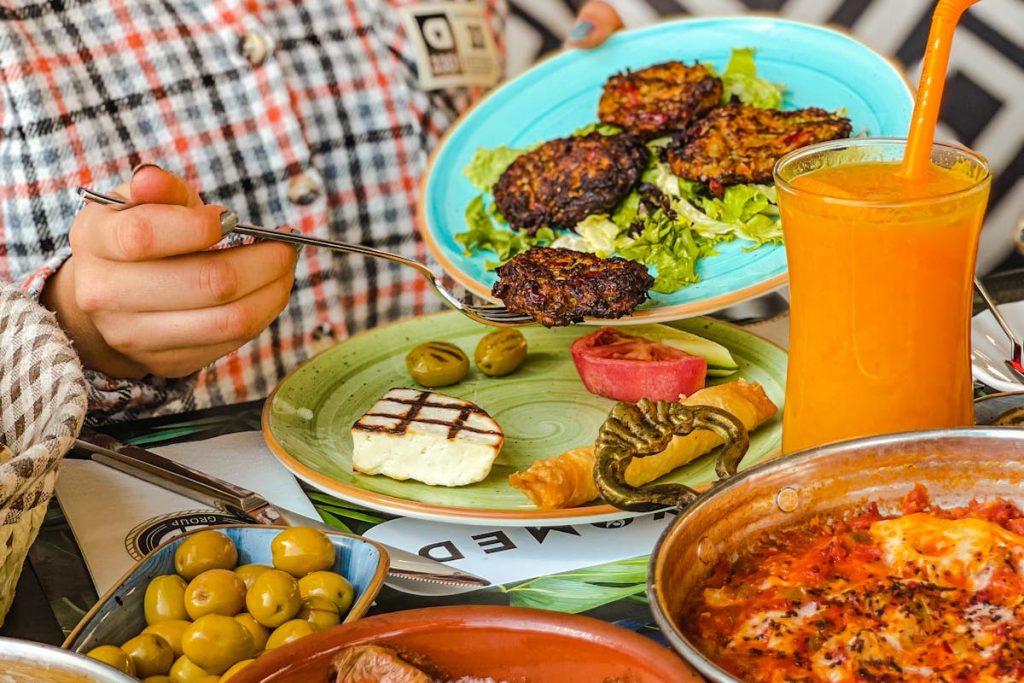

- The most popular cuisines in the world evolved through centuries of trade, migration, and cultural exchange rather than developing in isolation.
- Ancient civilizations and early trade routes laid the foundation for modern global food traditions by spreading staple ingredients and cooking techniques.
- Migration and colonization played a major role in introducing local cuisines to new regions, where they adapted to available ingredients and tastes.
- Italian, Chinese, Indian, Mexican, and Japanese cuisines gained global popularity because they balance strong cultural identity with adaptability.
- Globalization accelerated the spread of cuisines worldwide, leading to fusion dishes and wider access to international flavors.
- Modern trends such as sustainability, technology, and plant-based diets continue to shape the evolution of global cuisines today.
Food is more than nourishment—it is history, tradition, and culture on a plate. Over centuries, the world’s most popular cuisines have evolved in response to trade, migration, innovation, colonization, and globalization. From the spice routes of Asia to the fusion kitchens of major cities, the story of global cuisine is a tapestry woven from human exchange and creativity.
In this article, we explore how top culinary traditions developed, spread, and transformed into the global favorites we know today. We will examine key cultural influences, historical moments, and the enduring appeal of iconic dishes. Whether you’re a food enthusiast, traveler, or curious reader, this journey through culinary evolution reveals how tastes have crossed borders and connected cultures.
How Did Ancient Civilizations Shape the World’s Cuisine?
Ancient civilizations laid the foundation for many modern food traditions. Through agriculture, trade, and innovation, groups like the Egyptians, Greeks, Romans, and Chinese developed food systems that influenced regions far beyond their borders. These early societies domesticated staple crops and animals, forming the basis of local diets.
For example, wheat and barley cultivation in the Fertile Crescent fueled bread-making traditions that spread into Europe. In East Asia, rice farming became the cornerstone of culinary culture, influencing sauces, seasonings, and meal structures. The exchange of ingredients and cooking ideas among ancient empires created early culinary diversity that still echoes in the world’s most popular cuisines today.
Key Contributions from Early Civilizations
- Ancient Egypt: Bread, beer, and preservation methods.
- Mesopotamia: Use of spices and early forms of stews.
- China: Rice agriculture, soy products, fermentation.
- Rome: Spread of olives, wine, and kitchen tools across Europe.
These developments set the stage for future culinary evolution as nations interacted through conquest, trade, and diplomacy.
What Role Did Trade Routes Play in Culinary Evolution?

Trade routes were crucial in shaping global cuisines. They connected distant lands, allowing ingredients, techniques, and culinary ideas to cross continents. The Silk Road, trans-Saharan routes, and maritime trade networks brought foods that were once rare to new regions, forever altering local tastes and cooking practices.
Spices like pepper, cinnamon, and cloves were once worth their weight in gold, and their demand drove exploration and colonial expansion. Today’s most popular cuisines incorporate these once-exotic spices so ubiquitously it’s easy to forget their historic rarity. Trade also spread staple crops such as potatoes, corn, and tomatoes from the Americas to Europe, Asia, and Africa.
Notable Trade Influences
- Silk Road: Introduction of spices and noodles to Europe and the Middle East.
- Columbian Exchange: Transfer of staple crops between the New and Old Worlds.
- Indian Ocean Trade: Spread of rice varieties and coconut into East Africa and Asia.
Through trade, dishes evolved, merged, and gained new identities across cultures.
Why Did the Most Popular Cuisines in the World Spread Beyond Their Borders?
The spread of popular cuisines beyond their places of origin was driven by migration, colonization, and globalization. As people moved, they brought their food traditions with them. Over generations, these traditions adapted to new environments, available ingredients, and local tastes.
Whether through labor migration during the Industrial Revolution or more recent global travel, communities have shared food experiences worldwide. Immigrant neighborhoods introduced dishes that became mainstream favorites long after their original populations settled in new countries. Today, it is common to find Italian pasta, Japanese sushi, or Mexican tacos far from their homelands.
Major Factors That Helped Culinary Spread
- Migration: Movement of people and recipes across regions.
- Colonization: Introduction of food systems to colonized territories.
- Modern Travel: Increased cultural exchange through tourism.
As a result, popular cuisines continually evolve while retaining deep cultural roots.
How Did Italian Cuisine Become One of the Most Popular in the World?
Italian cuisine is a staple on global menus, renowned for its simplicity, quality ingredients, and regional diversity. Its evolution began in ancient Rome and was shaped by centuries of trade, regional traditions, and agricultural practices. Italy’s rich soil and climate supported crops like tomatoes, olives, and grapes—ingredients that later defined its culinary identity.
After Italian unification in the 19th century, regional dishes began to represent a national cuisine. Italian immigrants further popularized their foods abroad, especially in the United States. Pizza and pasta became symbols of comfort and adaptability, evolving with local tastes and ingredients while maintaining their authentic core.
Signature Features of Italian Cuisine
- Emphasis on fresh, high-quality ingredients
- Simple preparations with bold flavors
- Regional specialties reflecting local cultures
Italian cuisine’s global appeal lies in its balance of tradition, flexibility, and familiarity.
What Historical Events Shaped Chinese Cuisine?
Chinese cuisine is one of the oldest and most complex culinary traditions in the world. Its evolution spans dynasties, each bringing innovations in cooking techniques and ingredients. Rice cultivation in the south and wheat noodles in the north reflect geographic diversity that created distinct regional styles.
The Silk Road and maritime trade introduced new spices, fruits, and cooking methods to China. Later, migration carried Chinese culinary traditions throughout Southeast Asia, the Americas, and beyond. Today, Chinese food is celebrated worldwide, with regional styles like Cantonese, Sichuan, and Hunan gaining global recognition.
Key Traditions in Chinese Culinary History
- Regional Diversity: Varied flavors from north to south.
- Balance of Principles: Harmony of taste, texture, and color.
- Historical Exchange: Influence of trade and cultural interaction.
Chinese cuisine’s endurance and global popularity reflect a long history of adaptation and innovation.
What Makes Japanese Cuisine Universally Loved?
Japanese food is admired for its precision, presentation, and emphasis on natural flavors. Traditional Japanese culinary practices evolved over centuries, influenced by Buddhist food philosophies and the nation’s island geography. Seafood, rice, soy products, and seasonal ingredients form the foundation of Japanese meals.
Sushi, tempura, and ramen are among the dishes that captured global tastes. Sushi, in particular, transformed from a regional specialty into an international phenomenon. Part of its appeal lies in its simplicity and cultural storytelling, reflecting respect for ingredients and technique.
Elements Behind Japanese Cuisine’s Global Appeal
- Minimalist presentation
- Seasonal and fresh ingredients
- Cultural symbolism in food
Japanese cuisine continues to influence chefs and diners around the world, bridging tradition and modernity.
How Did Mexican Cuisine Emerge as a Global Favorite?
Mexican cuisine blends indigenous traditions with Spanish influences, resulting in rich flavors and vibrant dishes. Maize, beans, chili peppers, and squash were staples of pre-Columbian food systems. After the Spanish conquest, new ingredients like rice, beef, and dairy expanded culinary possibilities.
Mexican migrants introduced tacos, tamales, and other dishes to the United States and beyond. Street food culture, bold flavors, and versatility made Mexican food accessible and beloved worldwide. Today, it appears on restaurant menus from Tokyo to Paris, blending authenticity with local reinterpretations.
Signature Traits of Mexican Culinary Evolution
- Fusion of indigenous and European elements
- Bold, layered flavors
- Adaptability in street and fine dining
Mexican food exemplifies how cultural convergence can create enduring culinary popularity.
Mexican cuisine’s worldwide appeal lies in its ability to preserve tradition while adapting to modern tastes. Authentic Mexican food is deeply rooted in indigenous ingredients like maize, chili peppers, beans, and herbs, combined with techniques passed down through generations. At the same time, popular Mexican food such as tacos, burritos, and enchiladas has evolved into globally recognized comfort dishes, often adapted to local preferences while still drawing inspiration from their original flavors and cooking methods.
What Influences Shaped Indian Cuisine’s Global Presence?
Indian cuisine is a mosaic of regional traditions, spices, and historical influences. Its evolution reflects centuries of trade, conquest, and cultural exchange. Spices such as cumin, coriander, turmeric, and cardamom were central to local cooking and later introduced to Europe through trade.
Mughal rule brought new ingredients and techniques, such as rich gravies and layered rice dishes. Indian diaspora communities further spread these traditions worldwide. From curry houses in the United Kingdom to modern fusion restaurants in North America, Indian flavors have become familiar favorites.
Core Characteristics of Indian Cuisine
- Complex spice combinations
- Vegetarian and non-vegetarian diversity
- Regional variations in cooking techniques
Indian cuisine’s global presence showcases culinary adaptation shaped by history and migration.
How Has Globalization Redefined World Cuisines?
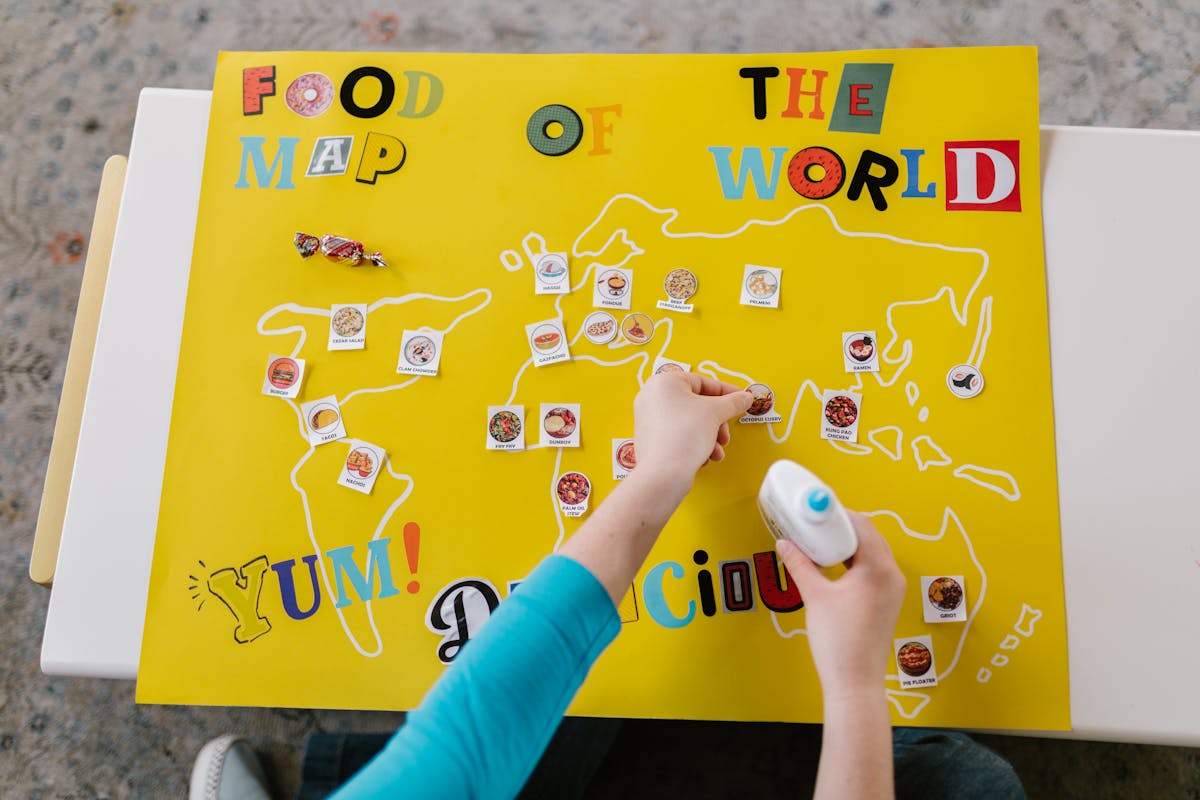
Globalization accelerated the spread and transformation of popular cuisines. Advances in transportation, communication, and media widened access to ingredients and cooking knowledge. What was once regional became international as chefs, television shows, and food influencers introduced global recipes to audiences everywhere.
Globalization also sparked fusion cuisine—creative blends of culinary traditions. These hybrid dishes reflect cultural intersections and experimentation. While critics sometimes argue that globalization dilutes authenticity, many believe it enhances creativity and cross-cultural appreciation.
Ways Globalization Impacts Cuisine
- Wider access to international ingredients
- Cross-cultural culinary innovation
- Growth of food tourism and media
Today, food is both a global industry and a personal experience rooted in cultural identity.
What Future Trends Will Influence Cuisine Evolution?
As we look ahead, the evolution of global cuisine continues to unfold. New trends are emerging that could reshape how we eat and think about food. Sustainability, technology, and health consciousness are influencing culinary innovation. Consumers increasingly seek plant-based alternatives, ethical sourcing, and authentic experiences.
Technology such as lab-grown meat, vertical farming, and artificial intelligence-assisted cooking may change production and preparation. Meanwhile, cultural exchange remains strong, with social media enabling instant discovery of new dishes and cooking styles.
Culinary Trends to Watch
- Sustainable and ethical food sourcing
- Plant-based and alternative proteins
- Fusion and hybrid food concepts
- Digital influence on food culture
These trends suggest that the story of cuisine evolution is far from over—it’s adapting to new values and technologies.
Conclusion
The journey of the most popular cuisines in the world is a testament to human creativity, exchange, and adaptation. From ancient agricultural beginnings to global fusion kitchens, food reflects history, culture, geography, and innovation. As trade routes opened continents, migration carried traditions, and globalization connected distant flavors, culinary evolution became a shared human story.
Understanding this evolution enriches our appreciation of every meal we enjoy. Whether it’s a simple bowl of ramen or a festive Mexican feast, each dish represents centuries of history and cultural connection. As we move forward, global cuisine will continue to transform, influenced by new ideas, environmental needs, and shared human experience.


