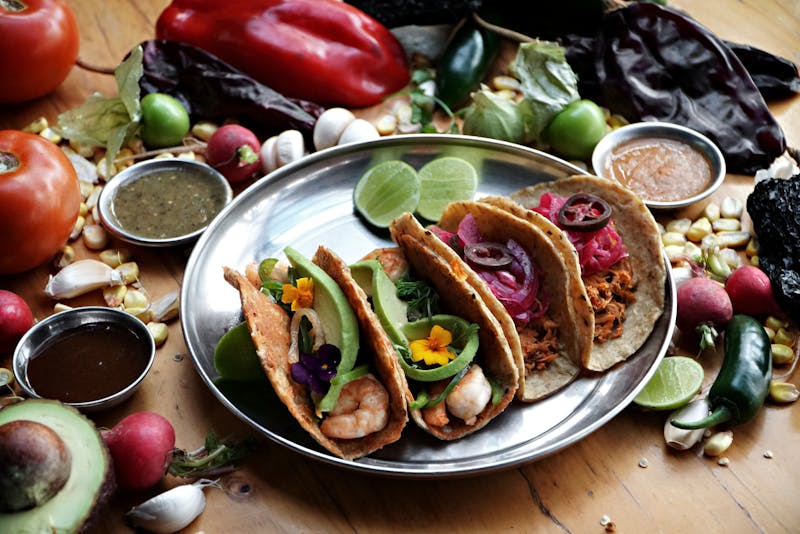

- Authentic Mexican food is deeply rooted in history – combining indigenous Mesoamerican ingredients like corn, beans, and chilies with Spanish-introduced foods such as meats, dairy, and spices.
- Regional diversity shapes flavor – Northern, Central, Southern, and Yucatán cuisines each offer unique dishes influenced by geography and culture.
- Cultural rituals and traditions matter – Food is intertwined with celebrations, spirituality, and communal life, making dishes more than just sustenance.
- Iconic dishes like mole and tamales tell stories – They represent centuries of culinary evolution and cultural fusion.
- Street foods preserve tradition – Tacos, elotes, and quesadillas showcase authentic flavors and techniques handed down through generations.
- Modern chefs balance tradition with innovation – Preserving techniques and heirloom ingredients while presenting dishes in contemporary ways.
- Global recognition continues to grow – Authentic Mexican food is celebrated worldwide, but its essence lies in tradition, local ingredients, and cultural context.
Authentic Mexican food is not just a cuisine—it’s a cultural tapestry woven from centuries of tradition, migration, and innovation. For foodies, understanding where these flavors come from adds depth to every bite. This article journeys through time to reveal how Mexican food evolved from ancient staples to globally celebrated dishes. We’ll explore key influences, iconic ingredients, regional variations, healthy adaptations, and even modern Mexican food ideas to try at home.
What Defines Authentic Mexican Food?
Authentic Mexican food goes beyond tacos and burritos. It reflects the traditions, rituals, and history of the Mexican people, rooted in indigenous ingredients and Spanish influences. Unlike Tex‑Mex or fusion styles, authentic Mexican cuisine emphasizes specific regional techniques and ancestral cooking methods. From slow-cooked stews to hand-made tortillas, authenticity is anchored in place, history, and cultural continuity.
At its core, authentic Mexican food is about the harmony between ingredients and preparation. What might seem simple—corn, beans, chilies—carries layers of meaning, nutritional balance, and centuries of refinement. Foodies are drawn to this cuisine not just for flavor but for the stories each dish tells. These narratives span ancient civilizations, European contact, and modern reinterpretations. If you’re looking for new Mexican food ideas, focusing on authenticity ensures every dish tells a story.
The Roots: Ancient Mesoamerican Cuisine
Long before European contact, civilizations like the Maya and Aztec cultivated a rich culinary tradition. Their diets were shaped by ingredients native to the region, laying the foundation for what would become Mexican cuisine.
Corn (maize) was central—ground into masa for tortillas, tamales, and more. Beans provided protein and fiber, while chilies added spice and complexity. Other staples included squash, amaranth, chiles, tomatoes, and cacao. These ingredients were not only food but cultural symbols embedded in religious practices and daily life.
Food preparation was deeply communal. Techniques included stone grinding on metates, slow roasting, and steaming in underground pits. These methods improved flavor and digestibility. Many of these ingredients are also versatile for creating healthy Mexican food options, as they provide fiber, vitamins, and natural flavor without heavy fats.
How Did the Spanish Conquest Change Mexican Cuisine?
The arrival of the Spanish in the early 16th century introduced new ingredients and cooking techniques that forever altered the Mexican culinary landscape. The fusion that resulted isn’t mere mixing but a creative reinvention rooted in necessity and adaptation.
Spanish colonizers brought domesticated animals like cattle, pigs, and chickens, introducing meats previously unknown to the region. They also introduced wheat, rice, dairy products, herbs, and spices such as cinnamon and cloves. These new elements merged with indigenous foods and practices in a culinary exchange that was both forced and fruitful.
Rather than replacing native cuisine, Spanish ingredients were integrated into existing frameworks. For example, local stews began incorporating pork, and native flatbreads were made using wheat. This cross-cultural blend laid the groundwork for dishes that would become staples in regional Mexican kitchens, inspiring countless Mexican food ideas in modern cooking.
What Are the Iconic Ingredients of Authentic Mexican Food?
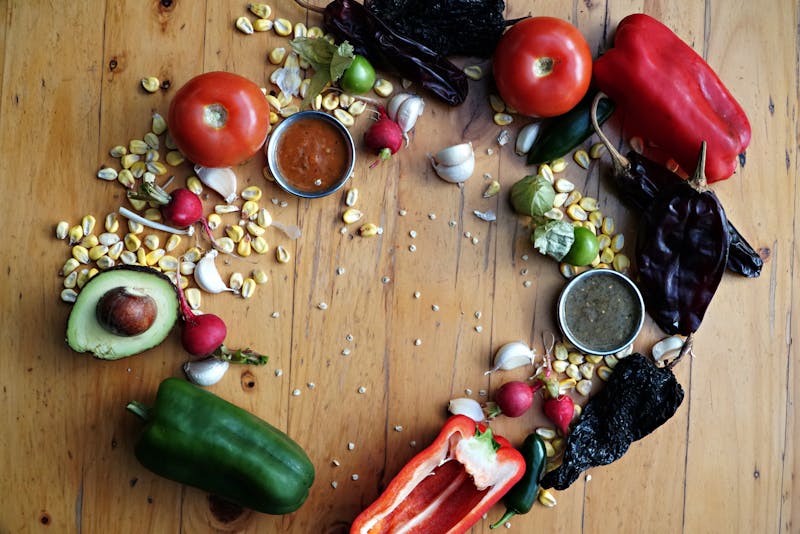
Authentic Mexican food relies on a core set of ingredients that define its flavor profile. These aren’t just components; they are historical markers that connect present-day dishes to ancient traditions.
Essential Indigenous Ingredients
- Corn (Masa): The backbone of tortillas, tamales, and many antojitos (street snacks).
- Chilies: From mild poblano to fiery habanero, chilies are central to sauces and seasoning.
- Beans: Black, pinto, and others provide protein and texture.
- Squash & Seeds: Offer nutrition and variety in soups, stews, and side dishes.
Spanish Additions
- Cheese & Dairy: Queso fresco and crema reflect Spanish influence.
- Herbs & Spices: Cumin, oregano, and basil broaden flavor profiles.
- Rice & Wheat: Used in pilafs and breads alongside native foods.
Many of these ingredients can also be adapted to create healthy Mexican food by emphasizing lean proteins, fresh vegetables, and reduced-fat cooking methods. This makes Mexican cuisine both flavorful and nutritious for modern diets.
How Do Mexican Food Rituals Reflect Culture?
Food in Mexico is inseparable from celebration, spirituality, and everyday life. Many traditions revolve around preparing and sharing meals that honor ancestors, seasons, and communal bonds.
For example, Day of the Dead (Día de los Muertos) features offerings of foods like pan de muerto and atole—meals meant to welcome ancestral spirits. Similarly, posadas during Christmas bring families together to share tamales and hot chocolate. These occasions transform food from mere sustenance into shared experience.
Even ordinary meals reflect intentionality. Ingredients are often sourced locally, and recipes are handed down through generations. The act of making masa, preparing moles, or blending salsas is communal, reinforcing identity and belonging. These cultural practices also inspire Mexican food ideas for home cooks, helping foodies recreate authentic experiences in their kitchens.
Regional Flavors: How Geography Shapes Mexican Cuisine
Mexico’s diverse landscapes create distinct regional cuisines. Mountains, coastlines, deserts, and rainforests all contribute unique ingredients and styles. Understanding these regional differences offers insight into the breadth of authentic Mexican food.
Northern Mexico
Northern cuisine leans heavily on beef, goat, and flour tortillas—reflecting Spanish ranching influence. Grilled meats and hearty stews are common, often seasoned with robust spices and complemented with beans.
Central Mexico
The heartland, including Mexico City, blends indigenous staples with colonial influences. Street foods like quesadillas and tacos al pastor are iconic here, evolving from cultural fusion.
Southern Mexico
In southern states like Oaxaca and Chiapas, native ingredients dominate. Oaxaca, known as the “land of seven moles,” showcases complex sauces that vary by town. Seafood also appears along coastal regions, fresh and vibrant.
Yucatán Peninsula
Distinct Mayan influences shape Yucatán cuisine. Dishes like cochinita pibil—slow-roasted pork marinated in achiote—illustrate indigenous techniques and flavors that remain uniquely regional.
Many regional ingredients can be creatively adapted into healthy Mexican food, making these cuisines accessible to modern diets while retaining authenticity.
What Is Mole and Why Is It Important?
Mole is one of Mexican cuisine’s most celebrated sauces—a rich, layered blend of chiles, spices, seeds, nuts, and often chocolate. Each region has its own variation, with Oaxaca alone boasting seven classic types.
Mole’s history spans centuries, possibly originating in religious rituals. It was later refined in convent kitchens and became a symbol of festivity and sophistication. Preparing mole is labor-intensive, requiring meticulous roasting, grinding, and simmering to achieve balance.
Far more than a sauce, mole represents cultural convergence: indigenous ingredients like chilies and native spices meet Spanish influences like almonds and cinnamon. Its complexity mirrors the complexity of Mexican history itself, making it a favorite subject of culinary study and inspiration for new Mexican food ideas.
How Have Mexican Street Foods Evolved?
Street food is integral to Mexican food culture. It’s accessible, affordable, and rooted in local tradition. While tacos are perhaps the most recognized globally, authentic Mexican street foods extend far beyond.
Classic Street Foods
- Tacos: Soft corn tortillas filled with meats, vegetables, or stews.
- Elotes & Esquites: Grilled corn with sauces and seasonings.
- Tamales: Masa wrapped in corn husks, steamed with various fillings.
- Quesadillas: Tortillas folded with cheese and other fillings.
Street foods evolve with urbanization and travel, yet they retain a connection to tradition. Ingredients remain local, and many vendors still prepare food by hand, preserving techniques passed down through generations. Many of these foods can also inspire healthy Mexican food recipes by using fresh ingredients and lighter cooking methods.
How Did Mexican Food Spread Globally?
Mexican cuisine’s global rise began with migration and tourism. As Mexicans traveled and settled abroad, they brought their food traditions with them. Early Mexican restaurants outside Mexico City introduced dishes like enchiladas and chiles rellenos to new audiences.
In the United States, Mexican food evolved into Tex-Mex—a hybrid cuisine inspired by Mexican flavors but adapted to local tastes. While Tex-Mex variants like chili con carne and nachos are beloved, they differ significantly from authentic regional Mexican dishes.
Global interest in authenticity has grown in recent decades. Chefs and food writers now highlight traditional techniques and ingredients, elevating lesser-known dishes on the world stage. Cooking shows, food festivals, and travel culture have also boosted appreciation for regional Mexican food, inspiring creative Mexican food ideas for home cooks and professional chefs alike.
What Makes Mexican Food “Authentic” Today?
Authenticity is both cultural and practical. Today, it’s defined by three key pillars:
1. Traditional Techniques
Using ancestral methods—such as hand-pressing tortillas or slow cooking stews—preserves flavor and texture.
2. Local Ingredients
Authentic Mexican food relies on regional produce and spices. Substitutes may change convenience but alter the essence.
3. Cultural Context
Authentic dishes are tied to rituals, celebrations, and community. Understanding their cultural significance deepens appreciation.
For foodies, chasing authenticity isn’t about purism—it’s about honoring history and place. Many healthy Mexican food recipes adhere to these principles while offering lighter, nutritious alternatives without compromising flavor.
How Are Modern Chefs Preserving Tradition?
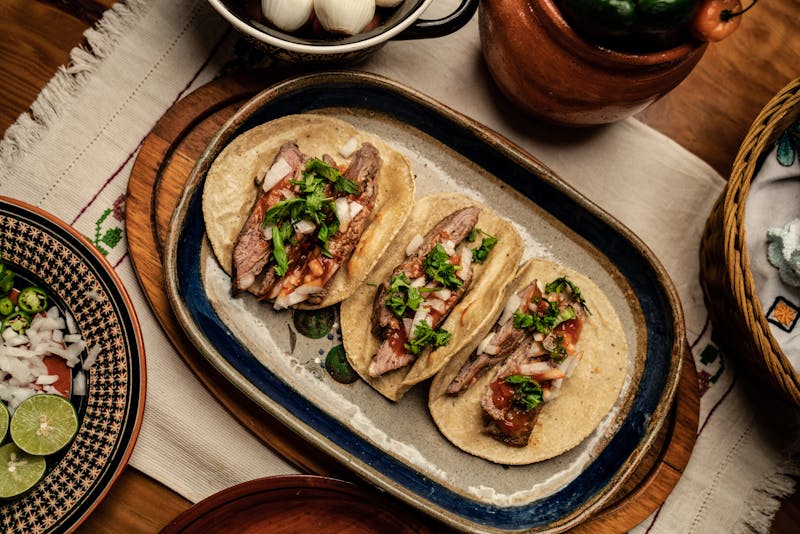
Modern Mexican chefs blend innovation with reverence for tradition. Instead of discarding ancestral methods, they reinterpret them.
Some chefs:
- Source heirloom corn varieties for masa.
- Revive forgotten regional dishes.
- Fuse traditional sauces with contemporary presentations.
- Develop healthy Mexican food options without losing authentic flavor.
These efforts educate diners and ensure that traditional recipes remain relevant. Rather than diluting authenticity, this evolution strengthens it by inviting new generations to explore Mexico’s culinary roots.
The Future of Authentic Mexican Food
Authentic Mexican food continues to evolve while honoring its past. Sustainability, indigenous ingredient preservation, and regional storytelling are shaping its future. Foodies increasingly seek experiences that reveal not just flavor, but history and cultural connection.
As global palates expand, Mexican cuisine’s regional diversity and deep heritage will continue to inspire chefs, home cooks, and culinary explorers alike. Whether enjoyed in the streets of Oaxaca or a kitchen thousands of miles away, authentic Mexican food invites us to taste history—one meaningful bite at a time. For those looking for fresh Mexican food ideas or healthier alternatives, the possibilities are endless.


